Closing a project: six points, one hour
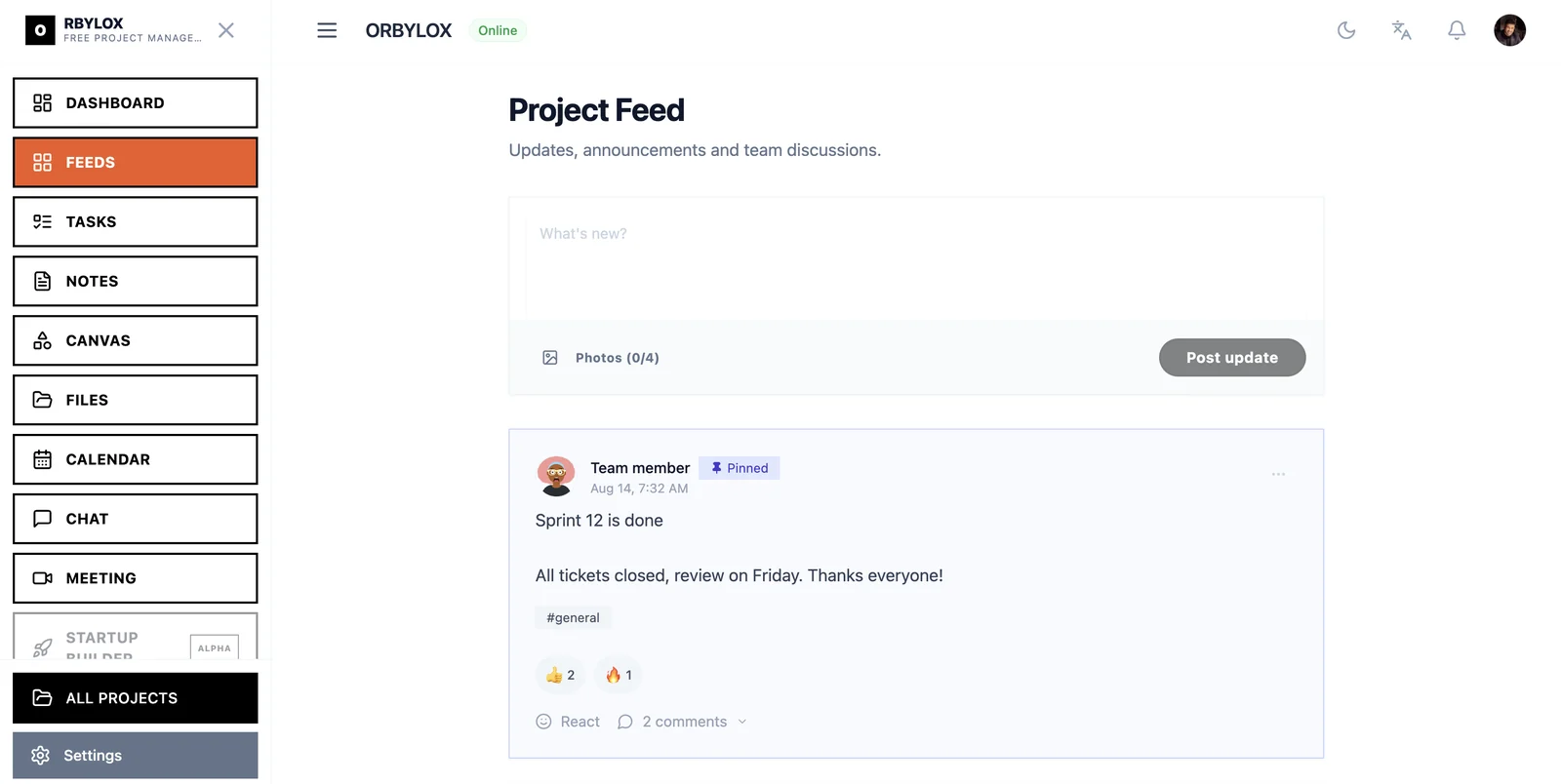
Most projects do not end, they stop. At some point nobody calls any more, the board is not opened again, and six months later nobody knows whether the open items were ever dealt with.
A closeout is not a ritual. It answers two questions: is it really finished? And: what do we take with us?
How you know it is finished
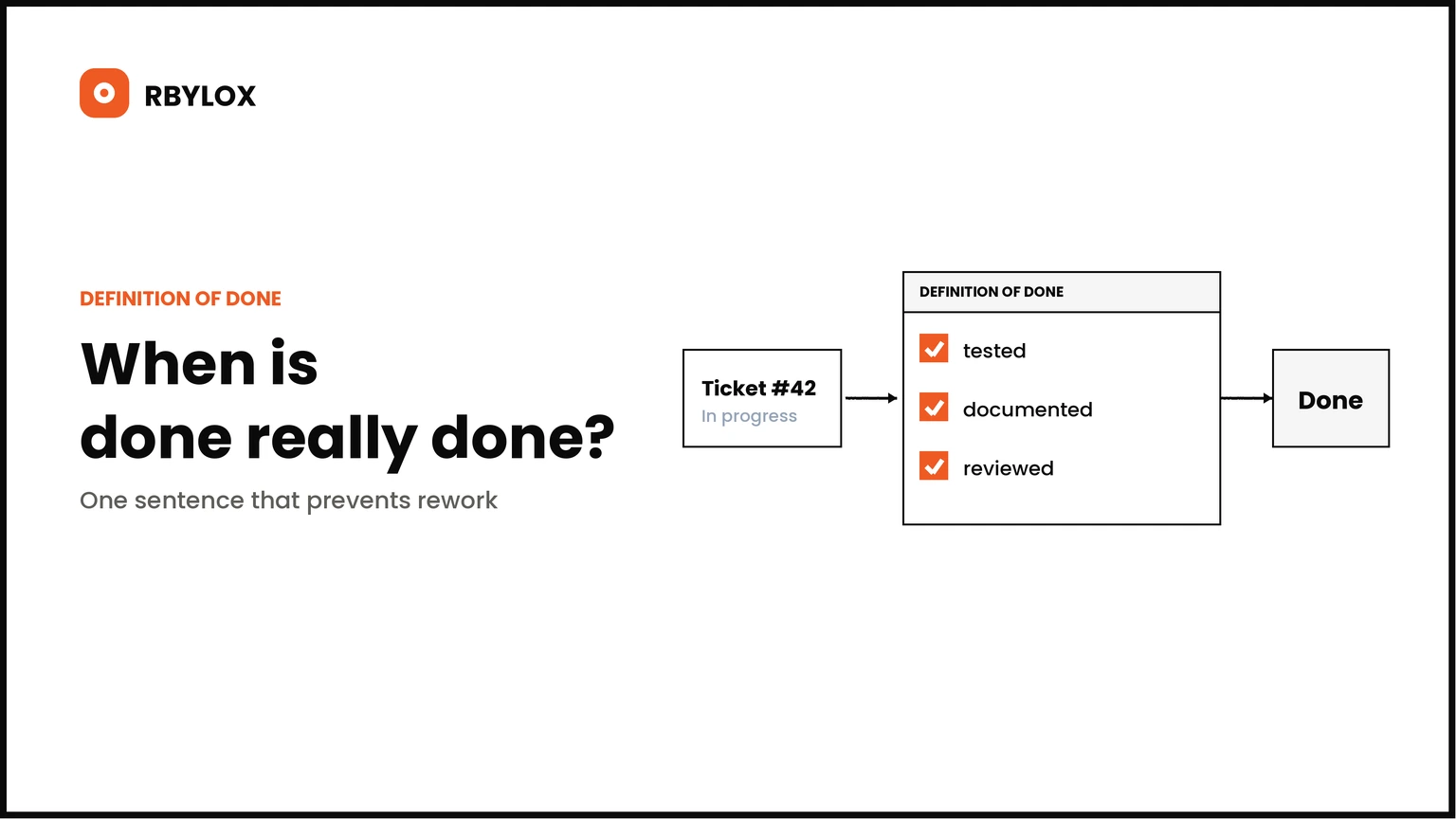
Not by there being nothing left to do — there is always something left to do. By what was agreed at the start as the outcome being met.
That is why the goal sentence from the kickoff is the closing test. "The new site is live, all old addresses redirect, and the contact form demonstrably delivers" — three points, each verifiable. Without such a sentence you cannot close a project, only stop it.
The closeout list
Six points, one hour. None of them is optional, and the last one is forgotten most often.
| Point | Question | Outcome |
| Result | Is the goal sentence met? | Yes — or a list of what is missing |
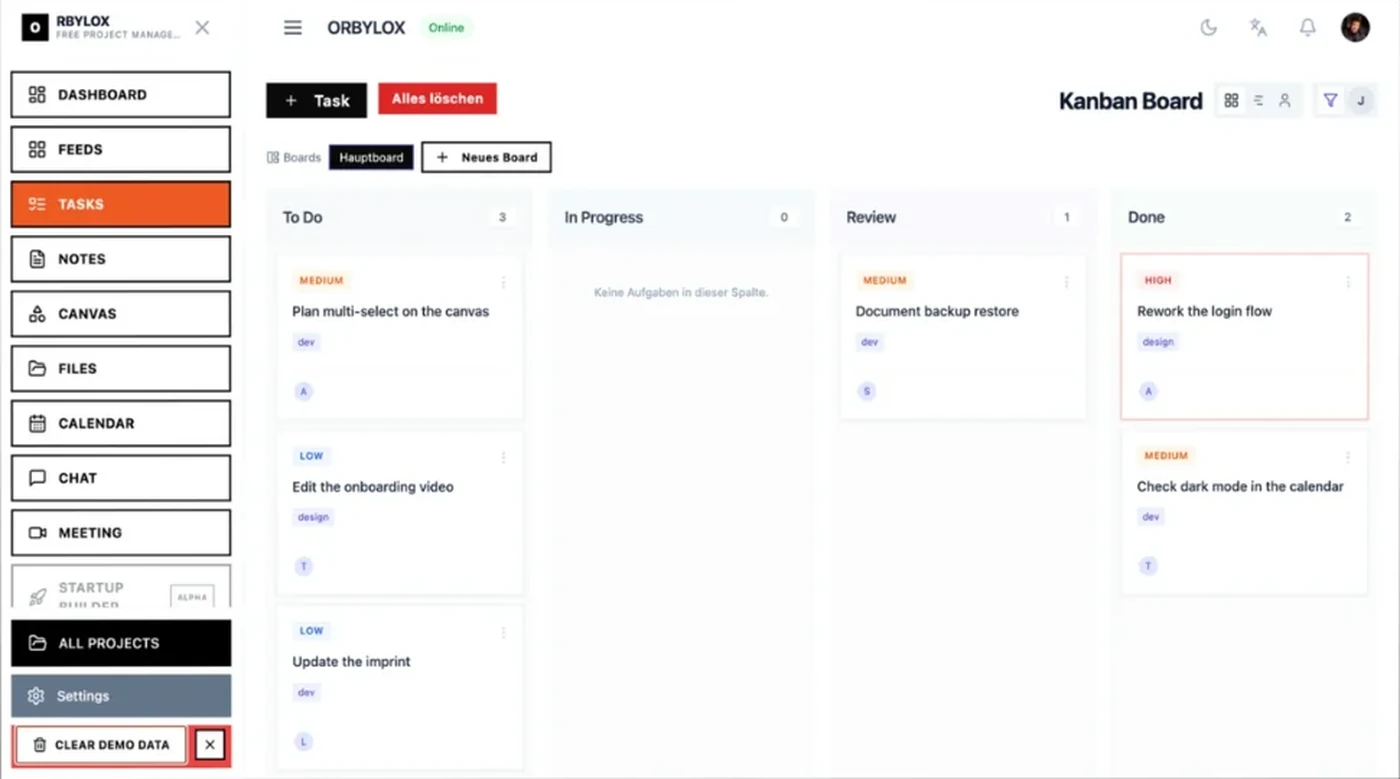
| Open items | What is left? | Each with a decision: do, defer, drop |
| Handover | Who runs this now? | One name, in writing |
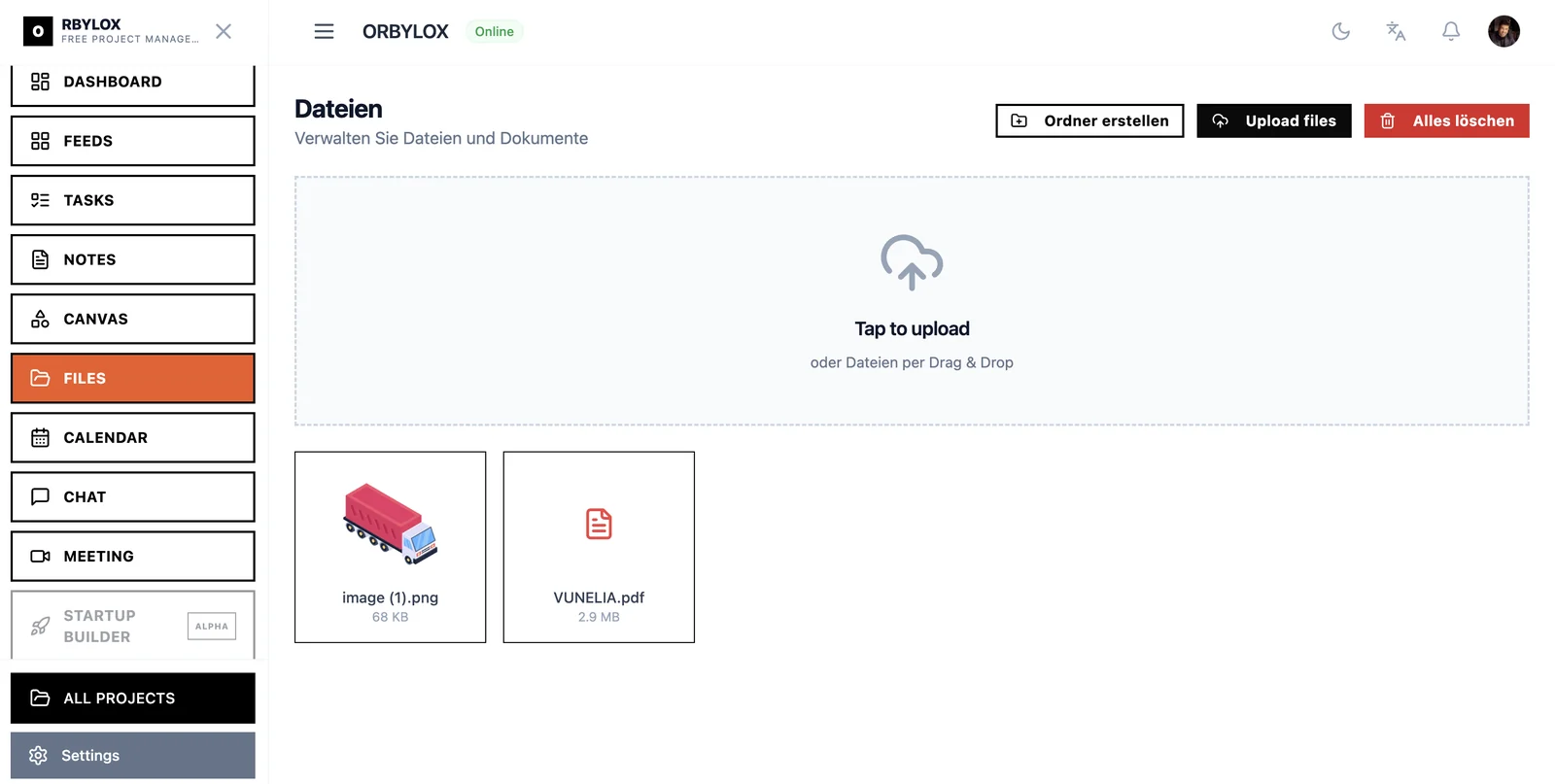
| Documents | Where is what? | One place, not five |
| Access | Who needs which access — and who no longer does? | List, worked through |
| Retrospective | What do we take with us? | Three to five sentences |
The "open items" row is the uncomfortable one. Every open item needs a spoken decision — "we are dropping it" is one too. Anything left without a decision reappears in four months as a reproach.
Lessons learned, without the blame round
Retrospectives usually fail in one of two ways: either it becomes a round of praise where nobody says anything, or a search for the culprit after which nobody says anything either.
Three questions keep it on track:
What worked better than expected?
What cost us the most time — and was it worth it?
What would we start differently next time?
The third is the only one that really counts. The first two prepare the ground for it.
The wording "start differently" matters: it forces a statement about the beginning of the next project, not about the mistakes of the last one. Same content, but a round in which people actually speak.
The rule against retrospectives that change nothing
At most three insights, each with a name and a place.
A retrospective with fourteen points does not get implemented, it gets filed. Three points someone carries into the next project change more than fourteen in a document.
From a real closeout:
| Insight | What we change concretely | Who carries it |
| Client sign-offs took nine days on average | Sign-off deadlines at kickoff, with dates | Jey |
| Sourcing images held us up twice | Content before building, not in parallel | Tom |
| Nobody used the second board | One board until it really gets tight | Lena |
Three rows. The middle column is the difference between an observation and a change.
When to hold it
Within two weeks of the last working day. Later and nobody remembers the places where it got stuck — and those are the yield.
Do not skip it after a failed project. That is where the retrospective is most valuable and most often skipped, because everyone is glad it is over.
In ORBYLOX
The closeout list is a note, the insights are a second one — both stay in the project even when the board has long gone quiet. At the next project you open them instead of trying to remember.
Open tickets that get deferred move into the follow-up project rather than an archive. And what gets dropped, gets dropped — with a reason in the comment, so that in four months you can read why.